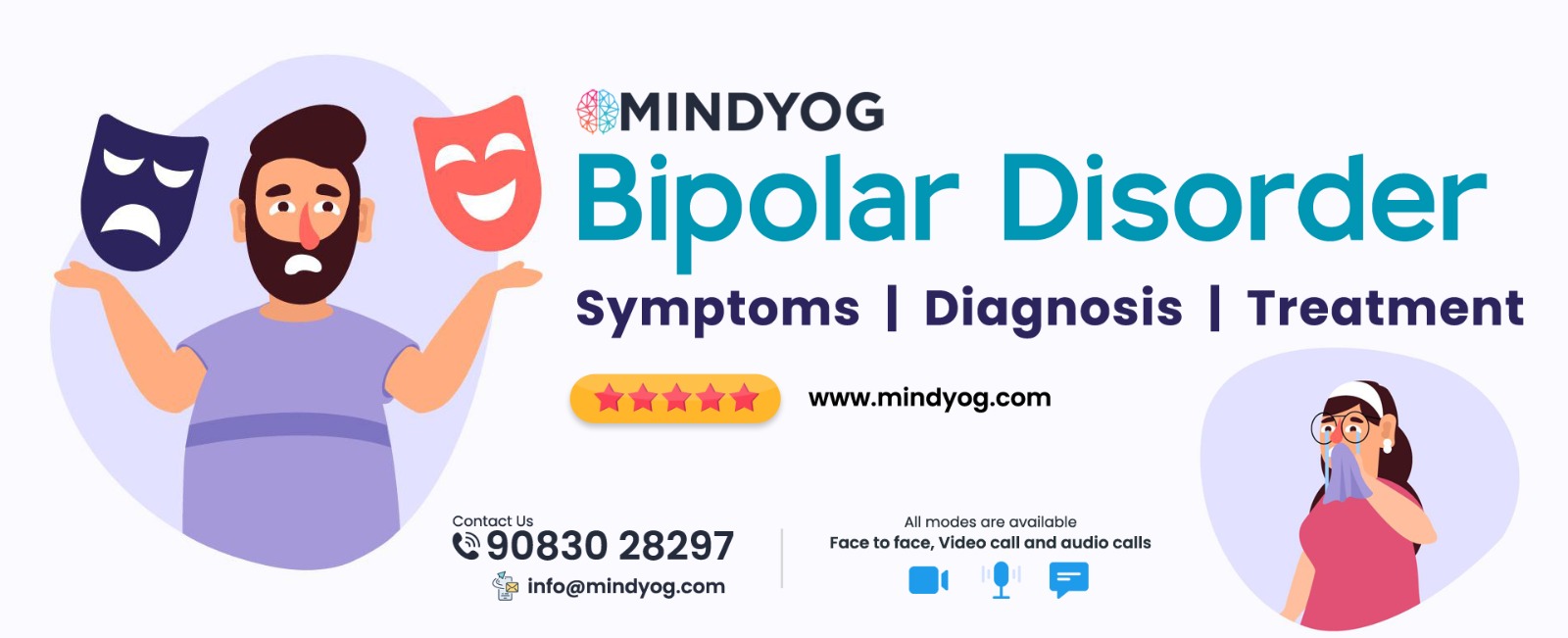
Bipolar disorder is a serious mental health condition characterized by extreme shifts in mood, energy levels, and behavior. These mood changes range from emotional highs (mania or hypomania) to deep lows (depression). With the right treatment plan, many people with bipolar disorder can manage their symptoms and lead stable, fulfilling lives.
What Is Bipolar Disorder?
Bipolar disorder causes unusual and intense changes in mood, activity, concentration, and energy. These changes are more severe than everyday mood swings and can interfere with relationships, work, and daily functioning.
The most common mood episodes include:
Mania
Hypomania
Depression
Common Symptoms of Bipolar Disorder
Manic and Hypomanic Symptoms
During a manic or hypomanic episode, a person may experience:
Extreme happiness or euphoria
Increased energy and restlessness
Rapid speech or racing thoughts
Reduced need for sleep
Reckless behavior such as excessive spending or unsafe sex
Poor decision-making
Severe manic episodes may include hallucinations or delusions, resulting in a break from reality. These episodes can be dangerous and often require hospital treatment.
Depressive Symptoms
During a depressive episode, symptoms may include:
Persistent sadness or emptiness
Loss of interest in activities
Low energy and fatigue
Difficulty concentrating
Feelings of hopelessness or worthlessness
Thoughts of death or suicide
⚠️ Suicidal thoughts are a medical emergency.
If you or someone else is in danger, contact emergency services immediately or call the Suicide & Crisis Lifeline at 988 (U.S.).
How Bipolar Disorder Is Diagnosed
Diagnosis is typically made by a mental health professional and may include:
A detailed psychiatric evaluation
Physical examination and lab tests (to rule out conditions like thyroid disorders)
Review of personal and family mental health history
Mood charting (daily tracking of mood, sleep, and behavior)
Some medications and substance use can cause symptoms similar to bipolar disorder, so accurate diagnosis is essential.
Treatment Options for Bipolar Disorder
The most effective treatment plan usually combines medication, psychotherapy, and lifestyle changes.
Medications for Bipolar Disorder
Mood stabilizers help control manic and depressive episodes and prevent relapse. Common options include:
Lithium (Lithobid)
Valproic acid
Divalproex sodium (Depakote, Depakote ER)
Carbamazepine (Tegretol, Tegretol XR, Equetro)
Lamotrigine (Lamictal)
Antidepressants may be prescribed for depression but are usually combined with mood stabilizers, as using them alone can trigger mania.
⚠️ Always consult a mental health professional before taking:
Supplements
Over-the-counter medicines
New prescription drugs
Psychotherapy (Talk Therapy)
Psychotherapy helps individuals understand their condition and develop coping strategies. Common therapies include:
Cognitive Behavioral Therapy (CBT) – addresses unhealthy thought patterns
Interpersonal Therapy (IPT) – improves relationships and emotional regulation
Interpersonal and Social Rhythm Therapy (IPSRT) – focuses on routine, sleep, and mood stability
Family-Focused Therapy (FFT) – educates families and strengthens communication and problem-solving skills
Advanced and Emerging Treatments
Some individuals benefit from additional therapies, such as:
Light therapy for bipolar depression
Electroconvulsive therapy (ECT) for severe or treatment-resistant episodes
Transcranial Magnetic Stimulation (TMS or rTMS)
Ketamine-based treatments (under medical supervision)
Lifestyle Changes That Support Recovery
Healthy habits play a critical role in long-term stability:
Maintain regular sleep schedules
Avoid alcohol, tobacco, and recreational drugs
Eat balanced, regular meals
Exercise consistently
Track moods, sleep, and triggers in a diary or app
Attend regular medical and mental health checkups
Prevention and Long-Term Management
Early diagnosis and continuous treatment greatly reduce:
Recurring episodes
Hospitalizations
Suicide risk
Bipolar disorder commonly begins in teenage years or early adulthood, though it can occur at any age. Genetic, neurological, social, and environmental factors all influence its onset and course.
Ongoing research—supported by organizations such as the National Institute of Mental Health (NIMH)—is focused on early detection, family-based interventions, and understanding biological risk factors to improve outcomes.
Key Takeaway
Bipolar disorder is a lifelong condition, but effective treatment makes stability possible. A combination of medication, therapy, education, and healthy daily routines allows many individuals to manage symptoms successfully and improve quality of life.
If you suspect bipolar disorder, seek professional evaluation early—help works best when started sooner.
Get Professional Support for Bipolar Disorder
If you or a loved one is struggling with mood swings, depression, or manic episodes, professional psychological counselling can make a life-changing difference. Early intervention through mental health counselling helps individuals understand their condition, build coping strategies, and regain emotional balance.
Working with a qualified mental health professional provides:
- Accurate diagnosis and personalized treatment planning
- Ongoing therapy support for mood management
- Guidance for families and caregivers
- Long-term relapse prevention strategies
For individuals who require medical evaluation or medication management, psychiatric counselling offers expert care under trained psychiatrists who specialize in mood disorders like bipolar disorder.
👉 Book a consultation today and take the first step toward balanced mental health and emotional well-being.
Frequently Asked Questions (FAQs) About Bipolar Disorder
- What is bipolar disorder?
Bipolar disorder is a mental health condition that causes extreme mood changes, including emotional highs (mania or hypomania) and lows (depression). These mood swings can affect energy, behavior, sleep, and daily functioning.
- What are the main symptoms of bipolar disorder?
The most common symptoms include manic episodes (high energy, impulsive behavior, reduced need for sleep) and depressive episodes (sadness, low energy, loss of interest, and hopelessness). Some people may also experience psychosis, such as hallucinations or delusions.
- What causes bipolar disorder?
Bipolar disorder does not have a single cause. It is believed to result from a combination of genetic factors, brain chemistry imbalances, and environmental or life stressors.
- How is bipolar disorder diagnosed?
A mental health professional diagnoses bipolar disorder through psychological evaluation, behavioral assessment, medical exams, and sometimes mood tracking. Tests may be done to rule out other conditions like thyroid disorders.
- What are the best treatments for bipolar disorder?
The most effective treatment combines medication, psychotherapy, and lifestyle changes. Mood stabilizers, therapy such as CBT, and regular routines help control symptoms and prevent relapse.
- What medications are used to treat bipolar disorder?
Common medications include lithium, valproic acid, divalproex sodium (Depakote), carbamazepine (Tegretol), and lamotrigine (Lamictal). Antidepressants are sometimes used with mood stabilizers.
- Can bipolar disorder be cured?
There is no permanent cure for bipolar disorder, but long-term treatment can help manage symptoms effectively and allow individuals to live stable and productive lives.
- Is psychotherapy helpful for bipolar disorder?
Yes, psychotherapy is a key part of treatment. Therapies like Cognitive Behavioral Therapy (CBT), Interpersonal Therapy (IPT), and Family-Focused Therapy help improve coping skills and emotional regulation.
- Can lifestyle changes help manage bipolar disorder?
Yes. Regular sleep, healthy eating, exercise, avoiding alcohol and drugs, and stress management play a vital role in preventing mood episodes and improving treatment outcomes.
- What is the difference between bipolar I and bipolar II disorder?
Bipolar I involves severe manic episodes that may require hospitalization, while bipolar II includes hypomanic episodes and major depression but not full mania.
- Is bipolar disorder hereditary?
Yes, bipolar disorder often runs in families. Having a close relative with bipolar disorder increases the risk, though not everyone with a family history develops it.
- When should someone seek emergency help?
Emergency help is needed if a person experiences suicidal thoughts, severe mania, hallucinations, or behavior that puts themselves or others at risk. Immediate medical care can save lives.
- Can children or teenagers develop bipolar disorder?
Yes, bipolar disorder can appear in childhood or adolescence, though it is more commonly diagnosed during teenage years or early adulthood.
- Can people with bipolar disorder live a normal life?
With proper treatment, support, and lifestyle management, many people with bipolar disorder lead healthy, successful, and fulfilling lives.
- How can family members support someone with bipolar disorder?
Family members can help by learning about the condition, encouraging treatment adherence, maintaining open communication, and supporting healthy daily routines.